
 21 July 2026
 Share
Share
1
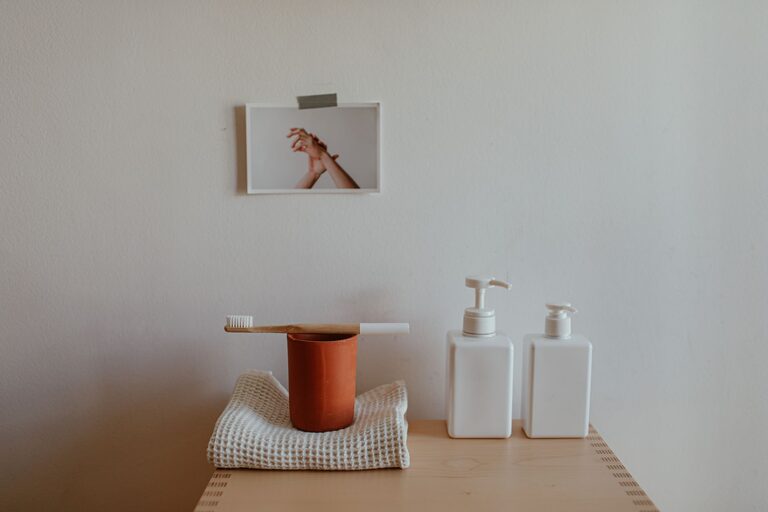
Taking care of yourself is essential for maintaining good mental and physical health. While self-care is often associated with expensive spa days or elaborate routines, it doesn’t have to cost a lot. There are plenty of affordable and easy ways to enjoy self-care right in the comfort of your own home. Whether you want to unwind after a stressful day, boost your mood, or simply treat yourself to some quality downtime, these ideas can help you create a nurturing routine without spending much money.
Self-care doesn’t need to be complicated or costly to be effective. Simple, consistent activities can improve your mood, reduce stress, and increase your overall sense of well-being. By focusing on affordable self-care, you avoid financial stress while building healthy habits that you can sustain over time.
Here are some easy and inexpensive self-care activities that require little or no special equipment or spending.
A warm bath can be incredibly soothing. Use items you already have at home:
– Add a few drops of essential oils like lavender or eucalyptus for a calming scent.
– Sprinkle in some Epsom salts to help relax muscles.
– Light a candle or play soft music to enhance the atmosphere.
If you don’t have a bathtub, a warm shower with mindful breathing can also help you relax.
Taking a few minutes to focus on your breath can clear your mind and reduce anxiety. Try these steps:
– Sit in a comfortable position.
– Breathe in slowly through your nose, counting to four.
– Hold your breath for four seconds.
– Exhale slowly through your mouth for four seconds.
– Repeat for several minutes.
You can find free guided meditation apps or videos online for additional support.
Spending time outside has many health benefits. If you have access to a park or green space:
– Take a gentle walk while paying attention to the sights, sounds, and smells around you.
– Try to leave your phone behind or keep it on silent to avoid distractions.
– Notice the feeling of the breeze or sunlight on your skin.
Even a walk around your neighborhood can boost your mood.
Writing down your thoughts and feelings can help you process emotions and set goals.
– Set aside 5 to 10 minutes each day.
– Write without worrying about grammar or structure.
– Focus on gratitude, challenges, or ideas for improvement.
You only need a notebook and a pen to get started.
Treat your skin to a gentle, refreshing facial using simple kitchen ingredients:
– Mix honey and yogurt for a moisturizing mask.
– Use oatmeal mixed with water for a calming scrub.
– Rinse with warm water and follow with a light moisturizer.
This is a great way to pamper yourself and keep your skin healthy.
Music and engaging content can help you relax and shift your mood.
– Create a playlist of songs that make you feel happy or peaceful.
– Find podcasts on topics you enjoy, such as storytelling, nature sounds, or mindfulness.
Listening while you cook, clean, or relax adds a pleasant dimension to everyday tasks.
You don’t need expensive classes or equipment to stretch your body and relieve tension.
– Follow free beginner yoga or stretching videos online.
– Focus on slow, mindful movements.
– Pay attention to how your body feels and breathe deeply.
This helps improve flexibility and reduces muscle stiffness.
Constant screen time can increase stress and disrupt sleep.
– Choose a specific time each day to unplug from phones, computers, and TV.
– Use this time to read a book, do a hobby, or simply rest your eyes.
Limiting screen time can improve mental clarity and reduce fatigue.
Expressing creativity is a powerful form of self-care.
– Try drawing, coloring, knitting, or crafting with materials you already have.
– Don’t worry about the outcome; focus on the joy of the process.
– Use this time to relax and connect with yourself.
Creative activities can reduce stress and boost feelings of accomplishment.
Cooking at home allows you to care for your body and enjoy your food.
– Choose simple recipes with fresh, affordable ingredients.
– Make extra to enjoy leftovers for stress-free meals later.
– Try new flavor combinations or slow down to savor your food.
Eating mindfully helps improve digestion and satisfaction.
– Start small: Pick one or two activities that feel manageable.
– Make it regular: Dedicate a set time each day or week for self-care.
– Mix it up: Rotate activities to keep your routine interesting.
– Listen to yourself: Adjust your routine based on how you feel.
Remember, self-care is personal. What works for one person might not work for another. The key is to find habits that help you feel cared for and replenished.
Self-care doesn’t require a big budget or a lot of time. With these simple ideas, you can cultivate relaxing and restorative habits right at home. Whether it’s taking a warm bath, journaling, or practicing mindful breathing, each small act contributes to your overall well-being. Give yourself permission to slow down, nurture yourself, and enjoy these affordable ways to feel refreshed and balanced.
Taking care of yourself is a valuable investment—one that starts with little steps you can take today.
