
 21 July 2026
 Share
Share
1
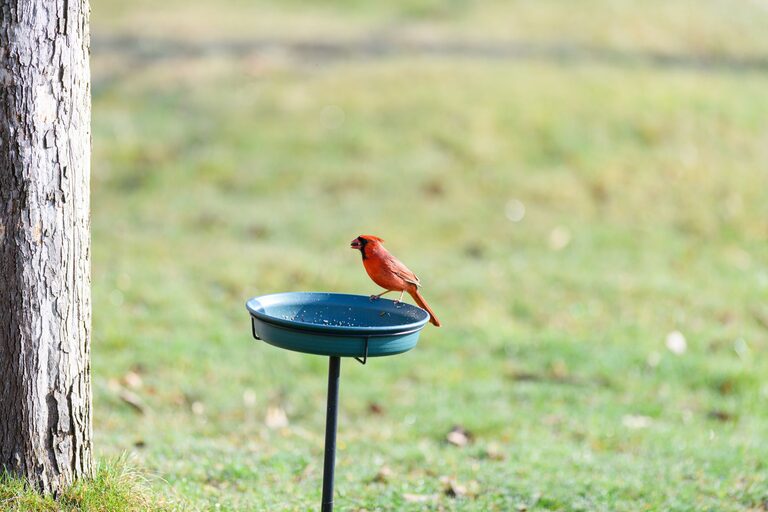
Birdwatching is a rewarding and relaxing hobby that anyone can enjoy, even from the comfort of their own backyard. Whether you live in a city, suburb, or rural area, watching birds can bring you closer to nature and offer moments of calm and curiosity. If you’re new to birdwatching, this guide will help you get started with some easy and effective tips so you can attract birds and identify them with confidence.
Backyard birdwatching requires minimal equipment and can fit into your daily routine. It encourages mindfulness, connects you with the environment, and supports local bird populations when done thoughtfully. Plus, it’s a great activity for people of all ages to enjoy alone or with family and friends.
—
Creating an inviting space for birds can increase your chances of seeing a variety of species.
– Provide food: Use bird feeders filled with seeds such as sunflower, millet, or nyjer. Different birds prefer different seeds, so you might want to try several types.
– Offer fresh water: A birdbath or shallow water dish helps birds drink and bathe. Change the water regularly to keep it clean.
– Shelter and nesting: Plant native shrubs, trees, or tall grasses to offer shelter and potential nesting spots.
Bird feeders come in many styles, such as tube, platform, or suet feeders. For beginners:
– Tube feeders: Good for small seed-eating birds like finches and chickadees.
– Platform feeders: Open trays that attract a variety of birds, including ground feeders.
– Suet feeders: Hold high-energy suet cakes, favored by woodpeckers and nuthatches.
Place feeders where you can observe easily without disturbing the birds.
—
Identifying birds is a fun part of birdwatching. Field guides, available as books or smartphone apps, help you learn bird names, shapes, colors, and sounds.
– Popular apps: Merlin Bird ID, Audubon Bird Guide, and eBird.
– Bird calls: Many apps let you listen to bird songs to help with identification.
– A modest pair of binoculars enhances viewing but is not required at the start.
– Keep a notebook or journal to record which birds you see, when, and where. This practice sharpens observation skills.
—
Birds are easily scared by noise or sudden movements. Sit quietly near feeders and try to avoid sudden gestures. Early mornings are often the best time to observe active birds.
Refrain from using pesticides or herbicides in your garden to keep the environment safe for birds and their food sources.
Dirty feeders can spread diseases among birds. Clean feeders and birdbaths every two weeks with mild soap and water.
—
Depending on your location, some common backyard birds include:
– Northern Cardinal: Bright red males with distinctive crest.
– American Robin: Orange belly and melodic song.
– Chickadee: Small with a black cap and cheek pattern.
– Blue Jay: Vibrant blue with white and black markings.
– House Finch: Small with red coloring on the head.
– Mourning Dove: Soft gray and brown with a gentle coo.
Learning about local birds increases enjoyment and helps you recognize different species.
—
Bird activity changes with seasons. Spring and summer bring nesting and breeding; fall and winter may see migratory birds stopping by. Adjust your feeding and observation habits accordingly:
– In winter, offer high-energy foods like suet and sunflower seeds.
– In warmer months, provide fresh water and native plants with berries or seeds.
—
Many organizations and online groups welcome beginners. Joining communities can offer support, identification help, and birding challenges.
– Audubon Society: Offers local chapters and events.
– Cornell Lab of Ornithology: Features educational resources and citizen science projects.
– Online birdwatching forums and social media groups.
—
Backyard birdwatching is a wonderful way to connect with nature every day. By setting up your space thoughtfully, using helpful tools, and practicing patience, you’ll soon enjoy the sights and sounds of birds visiting your yard. Happy birdwatching!
