 21 July 2026
 Share
Share
1

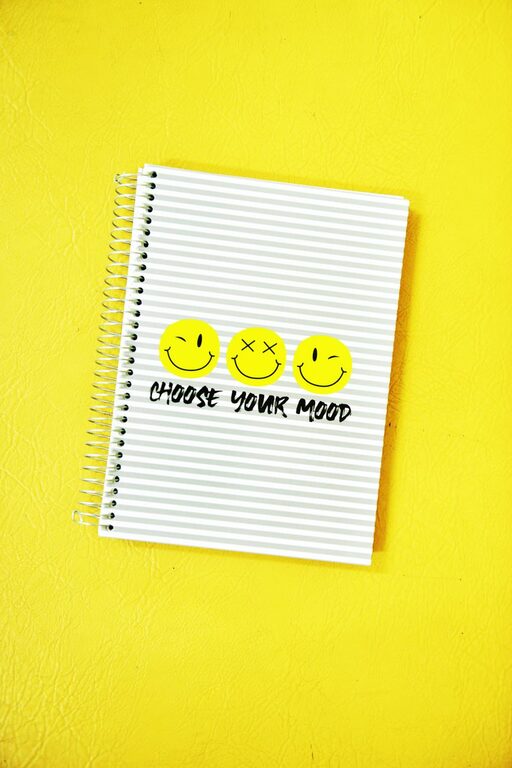
Choosing a notebook may seem straightforward, but finding one you’ll consistently use requires a bit of thought. Whether you want to jot down daily to-dos, capture creative ideas, or keep a journal, the right notebook can make a difference in how often and how well you use it.
In this guide, we’ll explore key factors to consider when selecting a notebook that suits your style, purpose, and habits.
A notebook isn’t just paper and binding — it’s a tool that supports your workflow or creativity. The right one invites you to open it regularly and enjoy writing or sketching, while a poor choice might leave you frustrated or stuck with unused pages.
Before shopping, ask yourself how you intend to use the notebook. Here are some common uses:
– Daily Planner: For scheduling appointments, tracking tasks, and reminders.
– Journal: To record thoughts, experiences, or reflections.
– Creative Sketchbook: For drawing, doodling, or brainstorming ideas.
– Work or Study Notes: To organize class notes, meeting minutes, or project ideas.
– Bullet Journal: A flexible system combining planning, goal setting, and note-taking.
Knowing your primary use will help you decide on size, paper type, and layout.
Notebooks come in various sizes. Here’s a quick overview:
– Pocket-sized (3×5 to 4×6 inches): Easy to carry everywhere but offer limited writing space.
– A5 (5.8×8.3 inches): A balanced size—portable yet spacious enough for notes and sketches.
– A4 (8.3×11.7 inches) or larger: Ideal for detailed notes, diagrams, or artistic work but less convenient to carry.
Pick a size that matches your lifestyle and where you’ll use it most.
Paper matters for both feel and functionality:
– Weight: Heavier paper (around 80-100 gsm) can prevent ink bleeding and is better for markers or fountain pens.
– Texture: Smooth paper works well for writing, while textured paper can be better for sketching.
– Color: White paper is standard, but cream or off-white can be easier on the eyes.
– Ruling: Options include lined, grid, dotted, or blank pages. Choose based on your writing or drawing habits.
Testing paper quality in-store or reading reviews can save you from frustration.
The binding affects how your notebook opens and lasts:
– Spiral-bound: Lies flat, good for easy note-taking but may be less durable.
– Sewn binding: Durable and allows the notebook to lay flat, often found in quality journals.
– Perfect binding (glued spine): Looks neat but may not open flat.
– Disc binding: Offers flexibility to add or remove pages.
Your choice depends on whether you prioritize durability, portability, or customization.
The cover protects your pages and can reflect your personality:
– Hardcover: Offers more protection and feels sturdy but adds weight.
– Softcover: Lightweight and flexible but less protective.
– Waterproof or leather covers: Great for outdoor use or durability.
Choose a cover material and design that you’ll enjoy looking at and carrying around.
Many notebooks come with helpful features:
– Elastic closure bands: Keep your notebook securely closed.
– Ribbon bookmarks: Mark your page easily.
– Pocket folders: Store notes, receipts, or stickers.
– Numbered pages and index: Useful for bullet journaling or organization.
Think about which extras will support your notebook use.
Before finalizing your choice, consider the pens, pencils, or markers you use. Some notebooks handle certain inks better than others. Testing your favorite pen on similar paper can prevent smudging or bleed-through.
Notebooks range from a few dollars to premium luxury items. Decide on a comfortable budget while keeping quality and features in mind. Often, investing a bit more pays off in enjoyment and durability.
If possible, visit a store to physically handle notebooks. Feel the paper, open the binding, and imagine how you’d use it. When ordering online, check return policies or look for customer reviews and photos.
– Keep your notebook accessible to encourage regular use.
– Personalize it with stickers, tabs, or colors to boost attachment.
– Set a routine time daily or weekly to write or plan.
– Don’t stress about perfection — use your notebook as a flexible tool.
Choosing a notebook you’ll actually use is about matching the notebook’s features with your personal habits and needs. Taking the time to consider purpose, size, paper, binding, and extras can transform your notebook from a simple purchase into a valuable companion.
Happy writing and creating!